|
| Click on image to enlarge. Source |
The New England Journal of Medicine reported last week that the Congressional Budget Office lowered its estimate of Medicare costs over the next decade by $69 billion in January. The trend rate for Medicare is estimated to be below changes in GDP per capita for the next decade – which is unprecedented since Medicare’s inception.
Why?
For starters, authors White and Ginsburg are using costs per capita – thereby adjusting for Medicare’s growth in enrollment with aging of the baby boomers. That’s the only fair comparison –but there will still be some who will point to higher overall costs. In fact, with a smaller base of workers paying for most of Medicare, the total cost is important, too.
There are some important forces which can help lower Medicare costs during this decade.
1) Baby boomers are accustomed to (or perhaps resigned to) some elements of managed care, and are less likely to resent some restrictions on the care that they receive. It’s not as difficult to accept prior authorization for high cost imaging when you’ve been subject to this for over a decade!
2) The PCORI ( Patient Centered Outcome Research Institute) has stated that it will focus on the triple aim: better quality, better patient experience, and lower cost. This can provide evidence that will increase the hurdle for incremental innovations with high costs and minimal clinical improvement. 3/14 ADDENDUM: PCORI is prohibited from considering cost. It's the CMS Innovation Center that is focused on the triple aim. See comment from Nathan Punwani below.
3) The Independent Payment Advisory Board (IPAB) will make recommendations about how to lower costs if spending targets are exceeded. The IPAB will force Congress’ hand – it must vote up or down recommendations in their entirety, much like military base closings. A bill to abolish the IPAB is close to House passage, though, and some of the Board’s 2012 funding was rescinded.
3) The Independent Payment Advisory Board (IPAB) will make recommendations about how to lower costs if spending targets are exceeded. The IPAB will force Congress’ hand – it must vote up or down recommendations in their entirety, much like military base closings. A bill to abolish the IPAB is close to House passage, though, and some of the Board’s 2012 funding was rescinded.
4) Increasingly effective anti-fraud efforts, including better use of software to detect early fraud patterns before millions of dollars in claims are “out the door.”
5) Increasing out of pocket costs for those with employer-sponsored health insurance promotes disruptive innovation, which can lower the costs of health care for all, including those on Medicare.
It’s reassuring that as the Medicare growth rate has tumbled the rate of growth of spending in commercial (employer-sponsored) health plans has fallen as well. Many worry that any dollar saved in Medicare or Medicare is “shifted” to nonpublic payers. That doesn’t seem to be true at the moment.
There are a series of market forces, however, that threaten to make Medicare costs escalate beyond current projections
1) Move toward increasingly individualized care. While some advocates point out that genetic tests can prevent giving an expensive toxic medicine to a patient who won’t benefit, individualized medicine is bound to increase costs because the tests will be done on a large group of patients, including those who might have otherwise gotten little or no care. Tests which can prevent the use of a drug that will cost tens of thousands of dollars will have a high market value.
2) “The new 55.” Aging baby boomers increasingly expect high levels of physical activity into their 70s, 80s, 90s and beyond. Stanford physician and author Walter Bortz continues to run marathons into his 80s, and has written that with the right diet and exercise humans can live to be 120. We’ll need to be doing total joint replacements for people who a generation ago would have accepted loss of mobility (or even died). This is a good thing – but it won’t be cheap!
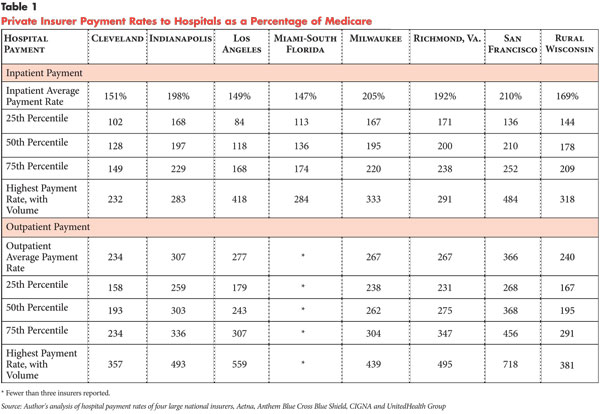
3) Market consolidation. Hospitals increasingly “own” their physician staffs, and there has been huge consolidation in the health care market space. Provider competition is more likely to lower overall costs, and that might be diminishing
4) Decreasing undertreatment. Most health care is at best cost –effective, not cost-saving. Many interventions that are now underutilized (colonoscopies for instance) are likely to increase over the next decade, especially as electronic medical records with robust patient portals take hold. Again, this is good, but these cost-effective interventions will give us extra quality-adjusted life years, but at a significant price.
5) Increasing adherence to medications. While some suggest that we can save billions if patients just listen to their physicians’ advice and take their medicines, most medicines are cost-effective, not cost-saving. See note above. This is great – but we’ll get QALYs for a price.
It’s hard to predict the future, at least prospectively, and it’s heartening that experts see an end to the rapid cost spiral in Medicare. I think achieving these projections will require substantial effort. Sara Kliff of Wonkblog has pointed out that if these projections are right we won’t need the IPAB. I wouldn’t bet on that.